Javier Fernández Contreras (Granada, 1982) is an architect, associate professor and the head of the Space Design/Interior Architecture Department at HEAD – Genève. His work explores the relationship between architecture, representation and media, with a specific focus on the role of interiors in the construction of contemporaneity.
HUMANITARIAN, BY DESIGN?
Humanitarian, by Design? explores the objects and technologies commonly used in humanitarian action—such as first-aid kits, tents, prostheses, maps and makeshift shelters—and asks what they reveal about the lives of those who rely on them. The exhibition examines how design, whether improvised or institutional, shapes life in situations of crisis, displacement or extreme precarity. From hacked plastics to architectures of waiting, and from crisis imagery to digital media, it sheds light on fragile and often invisible practices designed for purposes of endurance, resistance and hope. The exhibition was developed through a collaboration between HEAD – Genève, the Geneva Graduate Institute, the University of Copenhagen, the EPFL EssentialTech Centre and the International Red Cross and Red Crescent Museum.
Category: Exhibition
Curator/s: Pascal Hufschmid, Javier F. Contreras, Anna Leander, Jonathan L. Austin, Elisa Rusca, Diane Samuel, Méloée Piaget
Scenography: HEAD – Genève, Interior Architecture (Damien Greder, Yony Santos, Sam Jaccard, Javier F. Contreras)
Research Platform: The Future of
Humanitarian Design
© HEAD – Genève, Javier F. Contreras
Humanitarian, by Design? explores the objects and technologies commonly used in humanitarian action—such as first-aid kits, tents, prostheses, maps and makeshift shelters—and asks what they reveal about the lives of those who rely on them. The exhibition examines how design, whether improvised or institutional, shapes life in situations of crisis, displacement or extreme precarity. From hacked plastics to architectures of waiting, and from crisis imagery to digital media, it sheds light on fragile and often invisible practices designed for purposes of endurance, resistance and hope. The exhibition was developed through a collaboration between HEAD – Genève, the Geneva Graduate Institute, the University of Copenhagen, the EPFL EssentialTech Centre and the International Red Cross and Red Crescent Museum.
Category: Exhibition
Curator/s: Pascal Hufschmid, Javier F. Contreras, Anna Leander, Jonathan L. Austin, Elisa Rusca, Diane Samuel, Méloée Piaget
Scenography: HEAD – Genève, Interior Architecture (Damien Greder, Yony Santos, Sam Jaccard, Javier F. Contreras)
Research Platform: The Future of
Humanitarian Design
© HEAD – Genève, Javier F. Contreras
International Red Cross and Red Crescent Museum / Geneva, 2026
![]()
![]()
![]()
![]()
![]()
![]()
![]()


THE INTERIORS OF SOCIAL MEDIA
Architecture, Space, and Technology in the 21st Century
The Interiors of Social Media explores how digital platforms are transforming contemporary architecture, focusing on interior spaces as sites of consumerism, display and mediatization. The book argues that platforms such as Instagram, TikTok, Twitch and Pinterest do not merely depict interiors but actively script new spatial types: homes that are simultaneously private and hyper-public, domestic and performative, material and algorithmic. Through a deliberately heterogeneous set of case studies—including celebrity homes, streaming rooms, user-generated video games, humanitarian shelters, pet domesticities and porn interiors—the book demonstrates how social media collapses conventional distinctions between these spaces, linking them through shared regimes of visibility and image construction. In doing so, it reframes the contemporary interior as the defining space of the digital era, where identity, consumption, labor and performance intersect with new forms of technological mediation.
Contributions by: Paule Perron, Michela Bassanelli, Damien Greder, Vytautas Jankauskas, and students at HEAD – Genève
Afterword: Marina Otero Verzier
Category: Book. English
Author/s: Javier F. Contreras
ISBN: 978-1-350-53745-3
Architecture, Space, and Technology in the 21st Century
The Interiors of Social Media explores how digital platforms are transforming contemporary architecture, focusing on interior spaces as sites of consumerism, display and mediatization. The book argues that platforms such as Instagram, TikTok, Twitch and Pinterest do not merely depict interiors but actively script new spatial types: homes that are simultaneously private and hyper-public, domestic and performative, material and algorithmic. Through a deliberately heterogeneous set of case studies—including celebrity homes, streaming rooms, user-generated video games, humanitarian shelters, pet domesticities and porn interiors—the book demonstrates how social media collapses conventional distinctions between these spaces, linking them through shared regimes of visibility and image construction. In doing so, it reframes the contemporary interior as the defining space of the digital era, where identity, consumption, labor and performance intersect with new forms of technological mediation.
Contributions by: Paule Perron, Michela Bassanelli, Damien Greder, Vytautas Jankauskas, and students at HEAD – Genève
Afterword: Marina Otero Verzier
Category: Book. English
Author/s: Javier F. Contreras
ISBN: 978-1-350-53745-3
(London: Bloomsbury Visual Arts, 2026)
![]()

NOTHING ABOUT INTERIOR ARCHITECTURE
Often dissident, sometimes adherent, Nothing About is, in essence, indefinable because it is adaptive and fluid. Speculative or hands-on, this discipline – if we can call it that – displays all the ambivalences of our contemporary lifestyles: superficial and profound, profane and divine, present everywhere and nowhere, and often regarded as futile, even though it could nonetheless destroy the most beautiful of insides. This book brings together a variety of intellectual tools and insights – polysemic and ambiguous, bespoke and improvised, ornamental and criminal, spanning media, technology, the arts and other, often undefined fields – that analyze the impact of the discipline on contemporary design. In the end, what makes Nothing About charming is that this inside – insofar as it is still defined as such – has only the humble ambition of accompanying beings, both animate and inanimate, within their environment, like a friend who is never far away.
Essays by: Camille Bagnoud, Ahmed Belkhodja, Javier F. Contreras, Valentina De Luigi, Valentin Dubois, David Fagart, Line Fontana, Jan D. Geipel, Jean-Pierre Greff, Simon Husslein, Youri Kravtchenko, Paule Perron, Philippe Rahm, Vera Sacchetti, Leonid Slonimskiy, Bertrand Van Dorp, Roberto Zancan, Daniel Zamarbide
Category: Book. English
Editor/s: Javier F. Contreras, Youri Kravtchenko, Julie E. Julliard
ISBN: 978-90-835325-3-0
Awards: Shortlisted, DAM Architectural Book Award 2026
Winner, AIGA 50 Books I 50 Covers, 2025
© HEAD – Genève, Raphaëlle Mueller
Often dissident, sometimes adherent, Nothing About is, in essence, indefinable because it is adaptive and fluid. Speculative or hands-on, this discipline – if we can call it that – displays all the ambivalences of our contemporary lifestyles: superficial and profound, profane and divine, present everywhere and nowhere, and often regarded as futile, even though it could nonetheless destroy the most beautiful of insides. This book brings together a variety of intellectual tools and insights – polysemic and ambiguous, bespoke and improvised, ornamental and criminal, spanning media, technology, the arts and other, often undefined fields – that analyze the impact of the discipline on contemporary design. In the end, what makes Nothing About charming is that this inside – insofar as it is still defined as such – has only the humble ambition of accompanying beings, both animate and inanimate, within their environment, like a friend who is never far away.
Essays by: Camille Bagnoud, Ahmed Belkhodja, Javier F. Contreras, Valentina De Luigi, Valentin Dubois, David Fagart, Line Fontana, Jan D. Geipel, Jean-Pierre Greff, Simon Husslein, Youri Kravtchenko, Paule Perron, Philippe Rahm, Vera Sacchetti, Leonid Slonimskiy, Bertrand Van Dorp, Roberto Zancan, Daniel Zamarbide
Category: Book. English
Editor/s: Javier F. Contreras, Youri Kravtchenko, Julie E. Julliard
ISBN: 978-90-835325-3-0
Awards: Shortlisted, DAM Architectural Book Award 2026
Winner, AIGA 50 Books I 50 Covers, 2025
© HEAD – Genève, Raphaëlle Mueller
(Eindhoven: Set Margins’, 2025)
![]()

ARCHITECTURE, HUMANITARIANISM, AND SOCIAL MEDIA
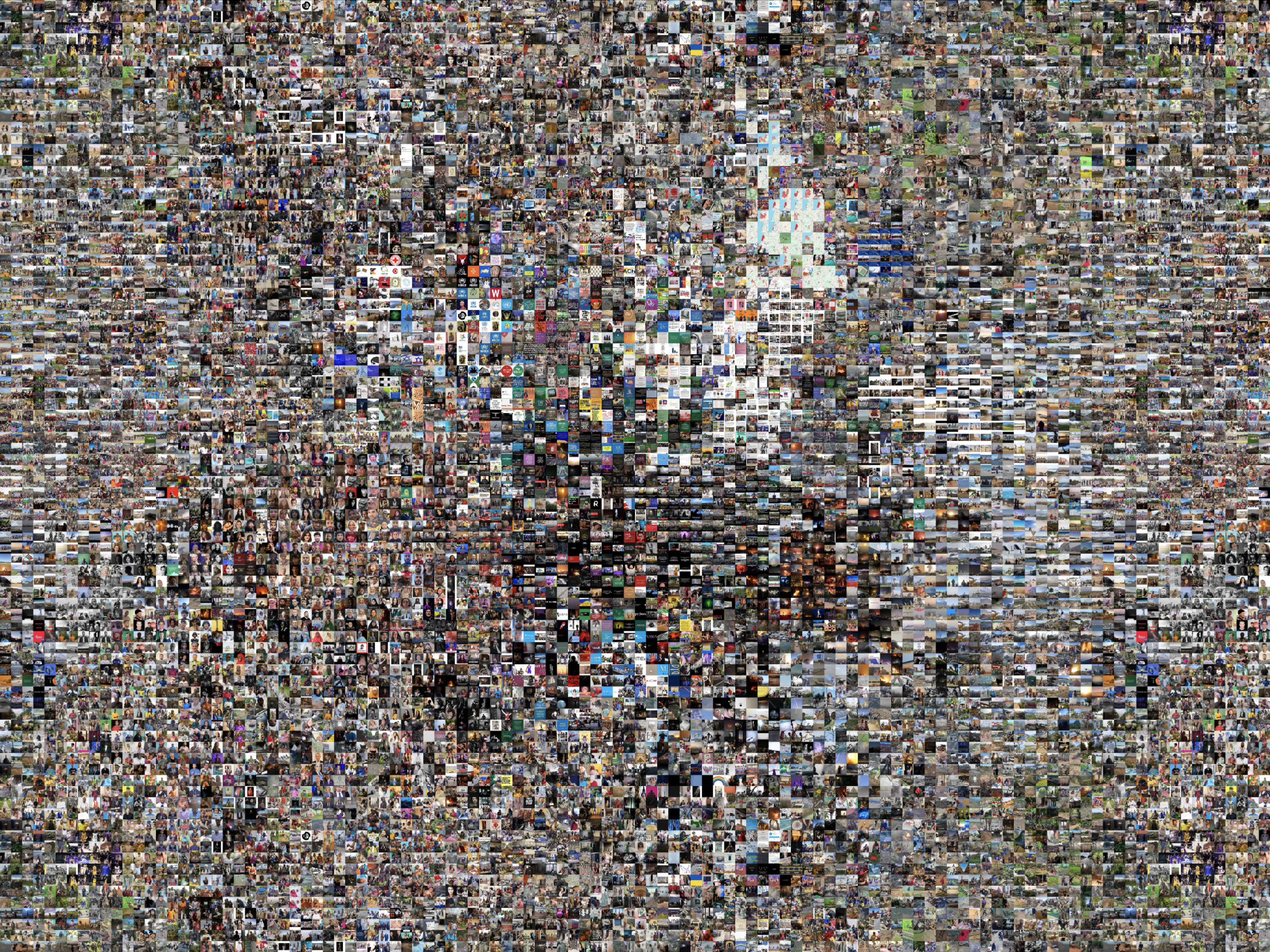
This study analyzes how social media represents bodies, spaces, and architecture in humanitarian crises, contrasting the narratives of global institutions and celebrities with those of local organizations and civilians. Developed with MAIA students and based on content from more than 200 accounts across 13 regions affected by conflict and displacement—from Ukraine and South Sudan to the Darién Gap and Bangladesh—it reveals how social media reshapes humanitarian perception in two opposing yet interconnected ways: by distancing attention through passive scrolling and by fostering digital intimacy through close views of victims’ embodied experiences. Architecture emerges as an active agent in these mediated encounters, while algorithms privilege standardized, visually compelling imagery over complex realities.
Data Analytics: (MAIA students in Interior Architecture): Matilde Arletti, Martino De Grandis, Maxime Joost, Lina Laube, Bianca Longoni, Hugo Maia Schmitt, Letizia Milone, Ailyn Pieyre, Célestine Potin, Paul Rigal, Lisa Schober, Kim Schönauer, Karol Szmigielski, Mariannina Thielemans
Category: Essay. English
Author/s: Javier F. Contreras, Damien Greder
Download Essay (English)
© Samuel Jaccard
This study analyzes how social media represents bodies, spaces, and architecture in humanitarian crises, contrasting the narratives of global institutions and celebrities with those of local organizations and civilians. Developed with MAIA students and based on content from more than 200 accounts across 13 regions affected by conflict and displacement—from Ukraine and South Sudan to the Darién Gap and Bangladesh—it reveals how social media reshapes humanitarian perception in two opposing yet interconnected ways: by distancing attention through passive scrolling and by fostering digital intimacy through close views of victims’ embodied experiences. Architecture emerges as an active agent in these mediated encounters, while algorithms privilege standardized, visually compelling imagery over complex realities.
Data Analytics: (MAIA students in Interior Architecture): Matilde Arletti, Martino De Grandis, Maxime Joost, Lina Laube, Bianca Longoni, Hugo Maia Schmitt, Letizia Milone, Ailyn Pieyre, Célestine Potin, Paul Rigal, Lisa Schober, Kim Schönauer, Karol Szmigielski, Mariannina Thielemans
Category: Essay. English
Author/s: Javier F. Contreras, Damien Greder
Download Essay (English)
© Samuel Jaccard